
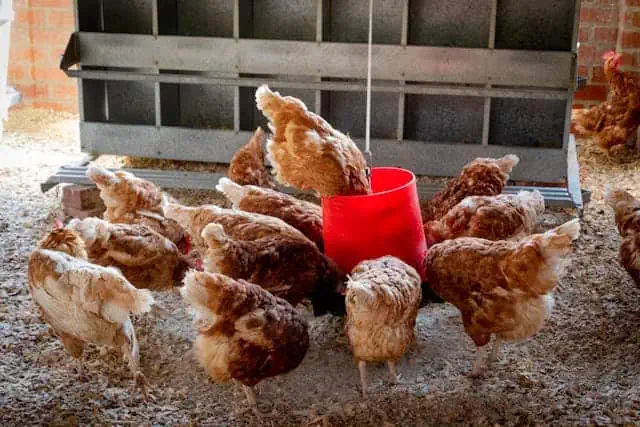
Operating a poultry business can be exciting and very profitable. That is why you need the right plan and a person who will carefully manage a poultry business to achieve a successful outcome. This article will discuss eight critical steps to starting a chicken farm. This journey is difficult, but the saying goes, “Any good thing worth doing will always require hard work.” If you are an agriculture student willing to start a poultry business, please read through and learn eight tips for running a successful chicken farm.
1. Clarify Your Farming Objectives
Think about your goals before you even begin to keep chickens. Are you planning a pedigree flock of laying hens for the show, a pasture-based flock of meat birds, an enterprise that might scale up to a family-farm level, or something even more high-end? Depending on your answers, the type of birds you choose, the scale of your facilities, and the quality of your management will all be determined. Set yourself some clear goals, then design everything else around those goals.
Building a farm and handling the demands of academia can be challenging for agriculture students. In this case, a professional essay service at UKWritings can be an excellent solution for performing well academically and growing your business. Delegate your tasks to experts and get timely support with all assignments.
2. Select Appropriate Chicken Breeds
Whoever you want to be and whatever you want to do, the most important thing you can do at the start of your farm is to get good sources of livestock breeds. Some breeds are better suited to certain conditions, and some are better raised for specific products. Leghorns and Rhode Island Reds are ideal for egg laying. Broilers and Cornish Crosses are better suited for meat production. Having breeds appropriate to the climate is extremely important.
3. Design a Functional Chicken Coop
A well-designed chicken coop is the foundation of a flock’s health and productivity. A coop should be large enough not to be overcrowded, well-ventilated sufficient to keep the air fresh and dry, and designed so that predators and the elements are kept out. Good coop design, however, isn’t necessarily about ensuring the chickens are healthy – it can also make the coop more straightforward to manage and keep disease risk down.
4. Implement Robust Biosecurity Measures
Biosecurity will prevent a health scare that will kill your birds and shut down your farm. Lock the farm gates. Put in place a sanitation protocol. Check your chickens for diseases regularly. Biosecurity is your best pre-emptive strategy.
5. Optimize Nutrition and Feeding
A healthy diet is crucial to keeping your chickens in good condition. Consider these four points to get a natural diet right for your flock.
- Design Your Feed: Different types of chickens require different nutritional requirements, depending on if they are young or old, eat grain or free range. You can cater your feed to your chickens’ nutritional needs.
- Continuous Water Access: Chickens require constant access to clean, fresh water.
- Diet Management and Monitoring: Watch your flock’s diet and adjust accordingly to make sure they are getting good nutrition.
- Routine Check-Ups: Check your flock’s health and production status on a regular basis. Make sure your birds are happy with their feed.
What you see here will afford you an opportunity to alter the fate of your chickens and your farm.
6. Network with Experienced Farmers
It’s also essential to build a personal network of more experienced neighbors and farmers who can help you gain skills and information not found in farm manuals. A professional mentor is a priceless source for understanding the realities of intensive farming, and they might even have access to the latest equipment or poultry technology. Networking can help you keep your finger on the pulse of changes in the industry and learn about the latest innovations.
7. Maintain Accurate Records
Good records serve several purposes. They help you monitor what’s happening on your farm and how your animals are doing. You can tweak your management or practices to improve their welfare and health. You could record your feed intake, egg production, or hens’ reaction to specific treatments. You can also look for a pattern to understand the fluctuations and better predict your stock. This helps you plan for expansion or adjustments so that they progress well.
8. Stay Updated on Industry Developments
In agriculture, like most fields, things change all the time. New research emerges new technologies are discovered, and new understandings of best practices for various topics arise. Staying abreast of these trends is part of your job. Read poultry industry publications to discover what changes and innovations other farmers are making to their farms, and use this information to help you evolve with the industry. There are often regional workshops that poultry farmers can attend to keep up with the latest changes. You can also connect with a poultry and livestock extension agent – someone who works at a land grant university near you, is well-versed in your industry and can provide guidance and current information. Industry newsletters can also be beneficial in staying on top of things.
Cultivating a Successful Poultry Farm
Starting a poultry farm is exciting, as is combining your schooling with a hands-on approach. This guide reveals the steps you need to have the most fruitful and enriching poultry farm journey. Irrespective of the kind of poultry farming you want to engage in, whether egg production, meat production, or both, these cover all the intricacies of poultry farming.
