

Article Summary
- Raisins are safe and tasty treats for chickens in moderation, providing natural sugars for energy, dietary fiber for digestion, vitamins, minerals, antioxidants, and some hydration.
- The risks associated with feeding raisins include potential weight gain, digestive issues, choking hazards (especially for baby chicks), pest attraction, and a potentially reduced appetite for regular feed.
- When feeding chicken raisins, wash them, chop or puree them to prevent choking, incorporate small amounts into feed, scatter them, and avoid offering excess amounts that may lead to spoilage.
Have you ever wondered if you can share some of your favorite sweet and chewy snack with your backyard chickens? Raisins are a tasty treat packed with nutrients, but are they safe for chickens to eat?
In this article, we’ll explore everything you need to know about feeding raisins to chickens. We’ll discuss the benefits and potential risks, how much to feed them, what types of raisins are safe, and if baby chicks can eat them too.
Whether you’re a seasoned chicken owner or just starting out, this guide will give you the scoop on whether these dried fruits should be part of your flock’s diet. Time to solve the mystery of raisins and chickens!
Is it Safe for Chickens to Eat Raisins?
The quick answer is yes, it is perfectly safe for chickens to eat raisins in moderation. Raisins are loaded with antioxidants, vitamins, and minerals, a healthy human snack that chickens can eat and benefit from. They make a nutritious occasional treat for backyard birds.
Raisins are high in natural sugar though, so it’s best not to overdo it. Too many raisins could potentially cause digestive upset, diarrhea, or weight gain in chickens if they are fed raisins in excess. As long as they are fed responsibly as part of a balanced diet, raisins pose no harm to chickens.
Raisins are high in natural sugar, so too many raisins could cause digestive issues in chickens…
Moderation is key when feeding any treats to chickens. About 1-2 raisins per chicken, 2-3 times per week is a recommended treat portion. Monitor how your flock reacts and adjust amounts accordingly.
What are the Benefits of Feeding Raisins to Chickens?
In small amounts, raisins offer some great nutritional perks for chickens. Here’s a look at some of the main benefits:
- Natural Sugars – Raisins provide a quick energy boost from natural fructose and glucose. This can be helpful on cold days when chickens need extra calories to keep warm.
- Dietary Fiber – The skin and flesh of raisins contain insoluble and soluble fiber. This aids digestion and gut health in chickens.
- Vitamins & Minerals – Raisins contain iron, potassium, magnesium, and B-vitamins like niacin. This nourishes chickens and supports egg-laying.
- Antioxidants – Raisins are high in antioxidants which boost immunity and overall health in chickens.
- Hydration – Although dry, raisins contain some water content. This can supplement thirsty chickens on hot summer days.
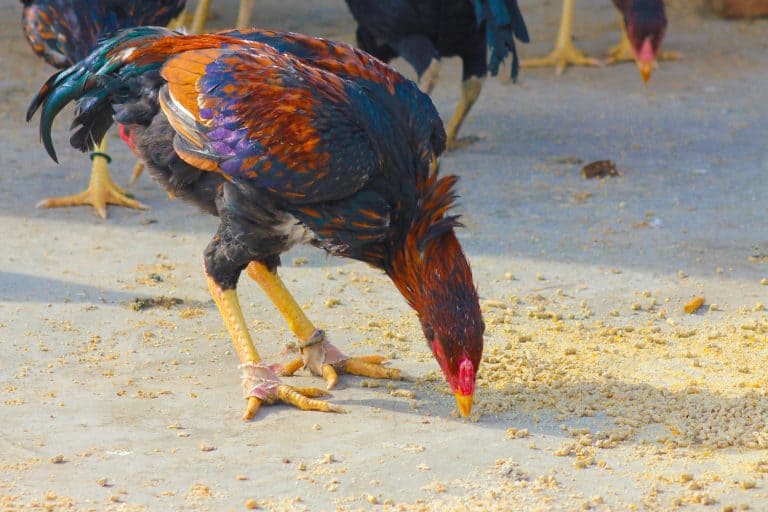
Overall, raisins make a tasty, nutrient-dense snack for chickens that offers a range of health benefits when fed occasionally and in moderation. Think of them as a supplemental treat, not a dietary staple.
Are There Any Risks to Feeding Raisins to Chickens?
While perfectly safe in moderate amounts, there are some potential risks to keep in mind when feeding raisins to backyard chickens:
- Weight Gain – Raisins are high in natural sugar and calories. Too many can cause obesity in chickens.
- Digestive Issues – The high sugar content of raisins could cause loose droppings or diarrhea if chickens eat too many.
- Choking Hazard – Whole dried raisins may pose a choking risk, especially for baby chicks. Chopped raisins are safer.
- Pest Attraction – Excess raisins may get scattered in the coop and attract rodents or insects. Only feed the amount chickens will eat.
- Reduced Appetite – Chickens filled up on sugary raisin treats may eat less of their regular feed, which contains a balanced nutrition profile.
TIP
The key is moderation. When fed sparingly as supplemental snacks, raisins will not harm chickens. Monitor your flock and adjust amounts as needed.
What Type of Raisins Can Chickens Eat?
The most common raisins chickens enjoy are dry, seedless black raisins made from Thompson grapes. Any soft, chopped raisin variety is safe for chickens including:
- Golden raisins
- Red raisins
- Green raisins
- Currant raisins
- Sultana raisins
Avoid feeding chickens sticky, sugar-coated yogurt raisins which are difficult to digest. Also steer clear of chocolate-covered raisins. Chocolate contains toxic theobromine deadly to chickens.
Look for all-natural raisins without preservatives, sulfur dioxide, or other additives. Organic is ideal if you can find them. Wash raisins well and chop or soften before feeding to chickens.
Can Chickens Eat Cinnamon Raisin Bread?
In short – yes, chickens can safely eat small amounts of cinnamon raisin bread as an occasional snack. The raisins provide energizing sugars, while the cinnamon has antibacterial properties that promote gut health in chickens.
Avoid feeding moldy bread, and never offer more than chickens will finish in one sitting. Leftover wet bread can quickly spoil in the chicken coop and make birds ill. Monitor your flock’s droppings to ensure the bread does not cause digestive upset.
Cinnamon raisin toast or muffins make a fine, nutrient-packed snack for chickens when fed in moderation. Just beware of fillers, preservatives and sugars in commercial baked goods. Check ingredients and go easy on the portion sizes.
Can Chickens Eat Raisin Bran?
Raisin bran cereal can be fed to chickens as an infrequent treat. The raisins provide natural sugars, while the wheat bran has fiber chickens can utilize.
Avoid bran cereals with added preservatives, artificial flavors or high amounts of sugar which can be unhealthy. Raisin bran with just raisins and wheat bran on the ingredients list is safest.
Feed raisin bran to chickens as you would any treat – in very limited portions 2-3 times per week at most. Scatter small handfuls in the yard or coop for birds to forage. Don’t leave uneaten cereal sitting out, as it can spoil and attract pests.
NOTE
While less nutritious than whole grains and scratch, a sprinkle of raisin bran gives chickens variety and satisfies their foraging instinct. Just feed it sparingly as part of a balanced diet.
Can Chickens Eat Dried Raisins?
Yes, dried raisins are the ideal form to feed chickens. The drying process concentrates the natural sugars, making raisins a quick energy source.
Dried raisins also have a lower moisture content than fresh grapes, which means they will store well in the coop without spoiling. The chewing action of eating dried raisins can help keep chickens’ beaks trimmed too.
Look for unsulfured dried raisins with no preservatives or additives. Sun-dried organic raisins are best. Chop or soften them before feeding to chickens to prevent choking hazards or crop impactions.

In small amounts 2-3 times per week, dried raisins make a fine supplemental treat for backyard chickens looking for variety and nutrition in their diet.
Can Chickens Eat Cooked Raisins?
Cooked raisins are safe for chickens to eat, and even easier for them to digest than raw raisins. The cooking process softens the raisins’ flesh and removes some of the chewy texture.
Try simmering raisins over low heat in a saucepan with a bit of water or chicken broth to create a thick, oatmeal-like raisin mash for your flock. Let the mixture cool before serving.
You can also microwave raisins for 20-30 seconds to quickly soften them up before feeding to your chickens. Just avoid adding any seasonings, oils, salt or sugars to cooked raisins meant for poultry. Plain is healthiest.
Another option is baking homemade raisin bird treats. Combining cooked raisins with grain flour and egg makes a nutritious cookie or muffin for chickens to peck at and enjoy.
How Much Raisins Can Chickens Eat?
When feeding raisins to chickens, moderation is vital. About 1-2 raisins per chicken, 2-3 times per week is a good general guideline to follow.
Free-choice raisins fed daily or in excess can lead to health issues in chickens. Monitor your flock as you introduce raisins and adjust amounts based on their reaction.

Signs you may be feeding chickens too many raisins include:
- Increased egg size or production (too much protein)
- Loose droppings or diarrhea
- Lethargy or unwillingness to eat normal feed
- Noticeable weight gain
If you observe any of these symptoms, cut back on raisins and allow the chickens’ systems to stabilize. Think of raisins as a supplemental snack, not a dietary foundation.
How to Feed Raisins to Chickens?
Here are some tips for safely feeding raisins to your flock:
- Wash raisins before serving to remove dirt, chemicals, or mold
- Chop or puree raisins to prevent choking hazards
- Mix small amounts of raisins into feed for balanced nutrition
- Scatter raisins in yard or coop for birds to forage and peck at
- Offer chopped raisins from your hand to train chickens
- Avoid leaving excess raisins sitting out to prevent spoilage
Get creative with how you serve raisins! Chickens love variety and foraging for treats. Raisins can be an exciting, interactive snack when fed properly.
Can Baby Chickens Eat Raisins?
Yes, baby chicks can eat small amounts of softened, chopped raisins after their first week post-hatch.
Newly hatched chicks get nutrients from the yolk sac for a few days before needing food. After day 3-5 days when chicks start pecking at food, tiny portions of chopped raisins make a fine occasional treat.
The chewing action helps develop chicks’ beaks and jaw muscles. Just avoid whole raisins which could pose a choking hazard to such small birds. Chop or puree raisins and mix into chick starter feed in small amounts.
Small amounts of chopped or pureed raisins in a starter feed help develop chicks’ beaks…
Monitor chicks closely when introducing new foods like raisins. Discontinue offering chicks if any signs of digestive upset or unusual behavior arise. With proper portions, raisins add sweet variety to grow healthy, happy chicks!
So can chickens eat raisins? In moderation, certainly! A few raisins here and there make a safe, nutritious treat for backyard chickens of all ages. Just be mindful of portion sizes and your flock’s reaction. When fed responsibly, raisins can be a delicious and fun snack chickens go crazy for. Now that you know the scoop, it’s time to share the raisins!
Frequently Asked Questions
Can Chickens Eat Raisins in Water?
Yes, chickens can eat raisins in water. Raisins provide a sweet and nutritious treat for chickens. Soaking them in water can make the raisins softer and more palatable for the chickens, making it easier for them to consume.
Can Chickens Eat Raisins Every Day?
While chickens can eat raisins, it’s advisable not to feed them raisins every day. Raisins should be offered as a occasional treat rather than a daily staple in their diet. A varied diet with a mix of grains, vegetables, and protein sources ensures that chickens receive the necessary nutrients for optimal health.
Can Chickens Eat Raisin Bran?
Chickens can eat raisin bran in moderation. Raisin bran contains a mix of grains and raisins, providing some nutritional value for chickens. However, it’s essential to offer it sparingly and not as a primary food source. A balanced diet that includes specially formulated chicken feed along with occasional treats like raisin bran contributes to the overall well-being of the chickens.
